Recommended Shijin Watch Products
The most popluar shijin products


Many pure e-commerce and DTC brands eventually reach the same crossroads. Core products are performing, traffic is steady, and the customer profile is well understood. Adding a higher-margin accessory category looks attractive on paper. Watches often sit near the top of that list because they lift average order value and pair naturally with existing fashion or lifestyle items. The hesitation is equally familiar: new categories usually bring long development cycles, high minimums, and inventory that may sit unsold.
A different sequence has proven more practical for sellers who already know their audience. They begin with ready-made models drawn from a large existing catalog, apply private-label branding, and list them quickly. Only after real sales data appears do they move toward light customization. This approach keeps risk contained while still allowing the seller to own the customer relationship and brand presentation. Manufacturers such as Shijin, which maintain extensive ready collections and support rapid private-label work, make this path especially accessible.
The first practical benefit is speed and selection. A manufacturer that maintains several thousand existing styles gives sellers an immediate pool of options. Models can be reviewed by gender, style direction, or functional features, making it possible to align the new accessory with the current customer base. Because these pieces are already in production, the barrier to entry drops significantly.
Private-label work on these models is deliberately lightweight. The most common first step is logo placement on the dial or case back, sometimes paired with custom packaging. Once artwork is approved, this level of branding can move from confirmation to shipment in as little as five to seven days. That window allows sellers to test multiple options, launch listings, and gather early performance signals without committing capital for months. Working with established OEM watch manufacturers makes this rapid private-label step reliable rather than experimental.
Because the seller already understands their traffic sources and buyer behavior, the initial selection process can stay focused. Filters by gender and style category help narrow the field quickly. A brand whose audience responds to cleaner everyday aesthetics can prioritize simpler designs. One with customers who prefer more distinctive pieces can explore other directions within the same catalog.
Once a shortlist is identified, private-label samples can be requested and photographed in the seller’s own environment. This produces listing imagery consistent with the rest of the store. The five-to-seven-day branding turnaround means those samples can move into paid testing or organic promotion without long delays. Access to a broad range of ready models from a capable watch parts manufacturer like Shijin further supports precise matching to the existing customer profile.
The real value of the private-label stage lies in the data it generates. Initial orders remain modest, inventory exposure stays limited, and listings go live quickly. Advertising and organic traffic can be directed toward the new category with relatively little sunk cost. If a particular model underperforms, the financial impact remains contained. If it resonates, the seller gains a clear signal for the next decision.
This stage also reveals practical details that pure product development cannot predict as accurately: which price points convert best within the seller’s traffic, which visual styles attract the most engagement, and which pieces generate the strongest repeat interest. Sellers who treat the private-label phase as a low-stakes experiment often discover these patterns faster than those who begin with full original design. Partnerships with experienced custom watch manufacturers keep the operational side straightforward while the data accumulates.
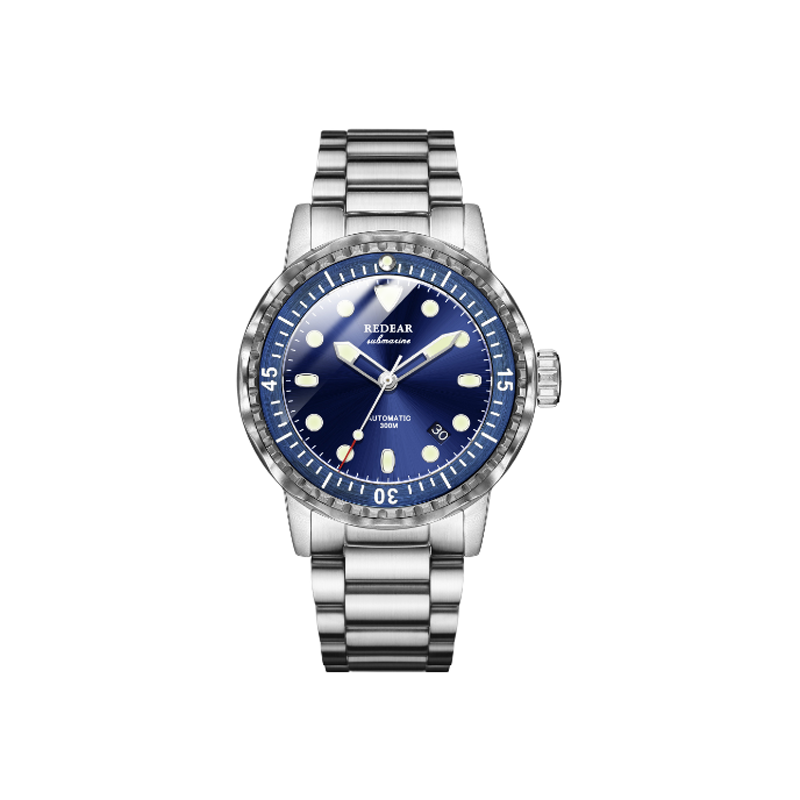
Once sales patterns become visible, the logical next step is light customization rather than a complete redesign. Adjustments might include a specific dial color, an alternative strap option, a refined case finish, or packaging that better matches the brand’s existing visual language. These changes still rely on proven tooling and processes, so lead times and costs of custom watch making remain controlled.
The progression feels gradual rather than abrupt. The seller increases differentiation while continuing to use actual customer response as the guide. Because the underlying production system already supports both private-label work and incremental modifications, continuity is preserved. Access to wholesale watch parts capabilities further expands the range of possible refinements without forcing a shift to entirely new manufacturing partners. Shijin’s experience with both private-label and light ODM adjustments supports this measured evolution.
For inventory-averse DTC operators, operational simplicity is as important as product selection. Clear artwork guidelines, predictable production windows, and the ability to handle modest reorder quantities matter more than advanced technical capabilities at the outset. A manufacturer that already supports private-label requests and maintains an extensive ready catalog can meet these needs without forcing the seller into processes designed for full brand launches.
As volume grows, the same relationship can expand. Light customization remains within the existing system. Packaging and presentation can be refined to strengthen brand ownership. Throughout, the seller retains control over positioning and customer communication while relying on the manufacturing partner for execution. Established China watch production capacity and flexible custom watches wholesale options support this scaling path without sudden jumps in complexity or commitment.
Traditional obstacles—long development timelines, high minimums, and uncertain sell-through—lose much of their force when the entry point is existing models with simple branding. The five-to-seven-day private-label window compresses the time between decision and live listing. Modest initial quantities limit inventory exposure. Real performance data then guides any subsequent investment in customization.
Sellers whose strength lies in traffic generation, customer understanding, and brand presentation rather than product engineering find this sequence especially aligned with their capabilities. They can treat watches as an additive high-margin category rather than a separate business that demands new expertise. Support from broader watch component suppliers further reduces the need for the seller to master technical details early on. Shijin’s combination of ready styles and private-label efficiency fits this profile particularly well.
The most effective expansions often begin quietly. A handful of private-label models appear in the store. Listings are optimized using the seller’s established methods. Early orders reveal which pieces resonate. From there, light customization deepens the brand’s ownership of the category without requiring a sudden leap into full original design.
Manufacturers that maintain large ready catalogs and support both rapid private-label work and subsequent customization make this progression feasible. Sellers gain a new product category that complements their existing assortment, improves margin potential, and remains under their control—without the usual risks that accompany entering an unfamiliar product field. Whether drawing on watches from China wholesale foundations or more tailored options later, the path stays measured and data-driven.
In a competitive e-commerce environment, the ability to test and refine quickly often matters more than perfect initial originality. Starting with ready models, applying private-label branding in days rather than months, and then evolving based on actual customer response offers a practical way to add watches while keeping focus where it already belongs: on the audience the seller already knows.