Recommended Shijin Watch Products
The most popluar shijin products


Independent designers and small design studios often begin with a powerful idea. A hand-drawn sketch on paper, a refined 3D model on screen, or a mood board that captures a precise aesthetic. Yet the path from that pure creative vision to a functional, wearable watch is rarely straightforward. Budget constraints, limited technical knowledge of movements and materials, and the need to retain full creative control make traditional large-scale manufacturing partnerships feel mismatched. What these creators need is not a pure production house, but an engineering-minded collaborator who can translate self design watch concepts into reality quickly, affordably, and without diluting the original intent.
This is exactly where a specialized partner like Shijin Watch becomes valuable. With decades of experience as a custom watch manufacturer, Shijin supports independent designers through collaborative design processes, material experimentation, and small-batch validation—turning abstract ideas into market-ready timepieces while preserving the designer’s authorship.
Most independent designers and boutique studios operate with tight resources. They cannot afford high minimum order quantities or lengthy development cycles that lock capital into unproven designs. At the same time, they refuse to compromise on the details that define their aesthetic—whether that means a particular case proportion, a unique dial texture, or a specific combination of finishes. Pure production factories often push designers toward existing molds or standard components, eroding the originality that makes a self design watch distinctive.
The solution lies in a hybrid approach: working with a manufacturer that maintains an in-house design and engineering team capable of interpreting sketches and 3D files, then iterating them into manufacturable specifications. Shijin’s custom watch design process begins precisely here. Designers submit hand sketches, digital renders, or even rough concept descriptions. The team produces colored graphic drawings that visualize every element—logo placement, dial layout, material choices, case dimensions—followed by precise CAD engineering drawings that serve as the blueprint for the factory floor.
This dual-layer documentation ensures that the designer’s vision remains the guiding reference while practical constraints (tooling feasibility, movement compatibility, assembly tolerances) are addressed early. The result is a collaborative refinement rather than a forced compromise.
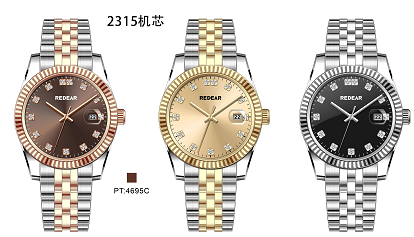
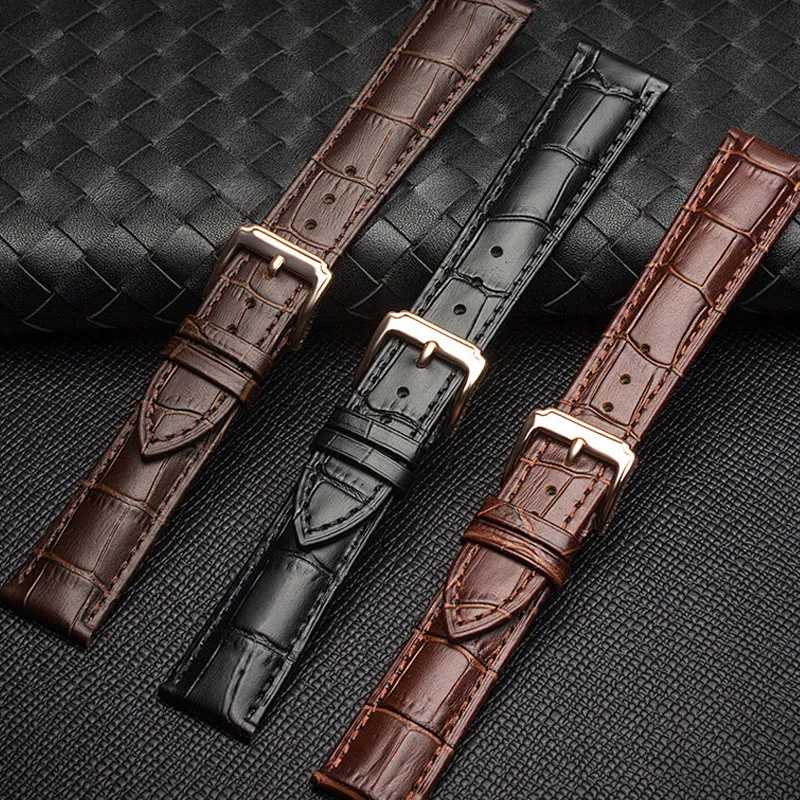
One of the most exciting stages for independent designers is material exploration. A minimalist concept might start with a clean stainless-steel case and leather strap, yet evolve through testing of alternative finishes or secondary materials. A vintage-inspired idea may call for aged textures, specific gold tones, or unexpected dial treatments.
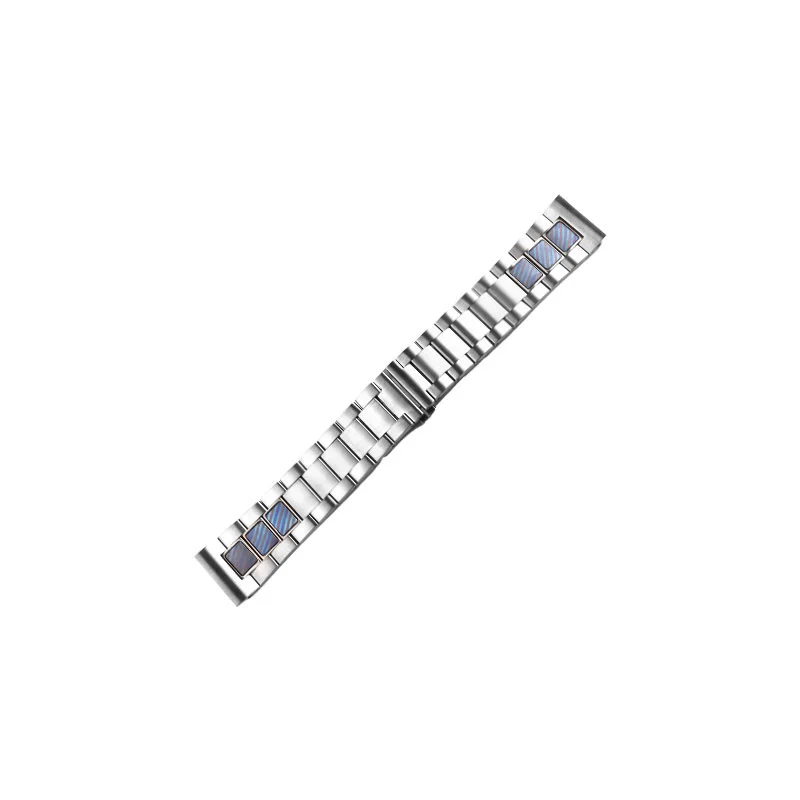
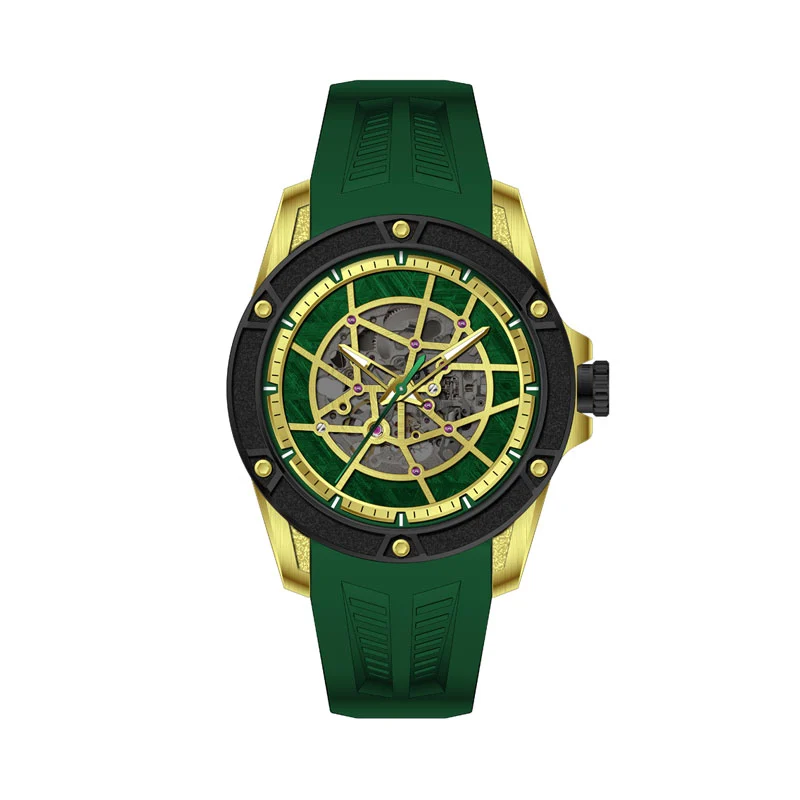
Shijin enables these experiments without requiring large commitments. Available options include stainless steel with various surface treatments (brushed, polished, sandblasted, PVD-coated), ceramic, titanium, recycled wood elements, natural stone accents, and bio-ceramic components. Designers can request sample swatches or small prototype cases to evaluate how light interacts with a particular finish, how a wood inlay sits against metal, or whether a gold-tone PVD delivers the exact warmth envisioned for a minimalist gold watch.
These material trials are especially useful when developing custom vintage watch pieces. Minimalist designs demand precision in proportion and finish because every surface is visible and intentional. Vintage interpretations benefit from controlled aging effects and classic proportions that still meet modern durability standards. By testing materials at the prototype stage, designers avoid costly mistakes later and keep the creative decision-making firmly in their hands.
Once the design language and materials are locked, the next priority is validation through small-batch production. Independent studios rarely need thousands of units for a first run. They need enough pieces to photograph, show to retailers or collectors, gather feedback, and refine further—typically dozens to a few hundred units.
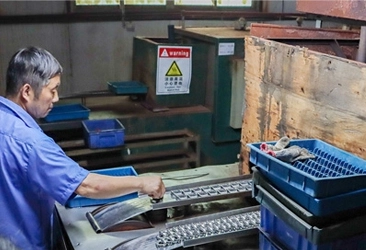
Shijin’s flexible production system supports exactly this scale. Rapid prototyping using in-house CNC capabilities delivers working samples in a short timeframe, often within 10–15 days for initial prototypes. Designers receive physical pieces they can wear, stress-test, and evaluate under real conditions. Adjustments to case thickness, dial printing, hand shape, or strap attachment can be made before committing to a larger order.
This small-batch stage also serves as quality and cost verification. Because every process—from case machining to movement assembly and final waterproof testing—is monitored under strict quality control, designers gain confidence that the finished watch will perform as intended. For those exploring minimalist vintage watches that blend clean lines with nostalgic details, this validation step is indispensable. It confirms that the aesthetic remains intact while the engineering holds up.
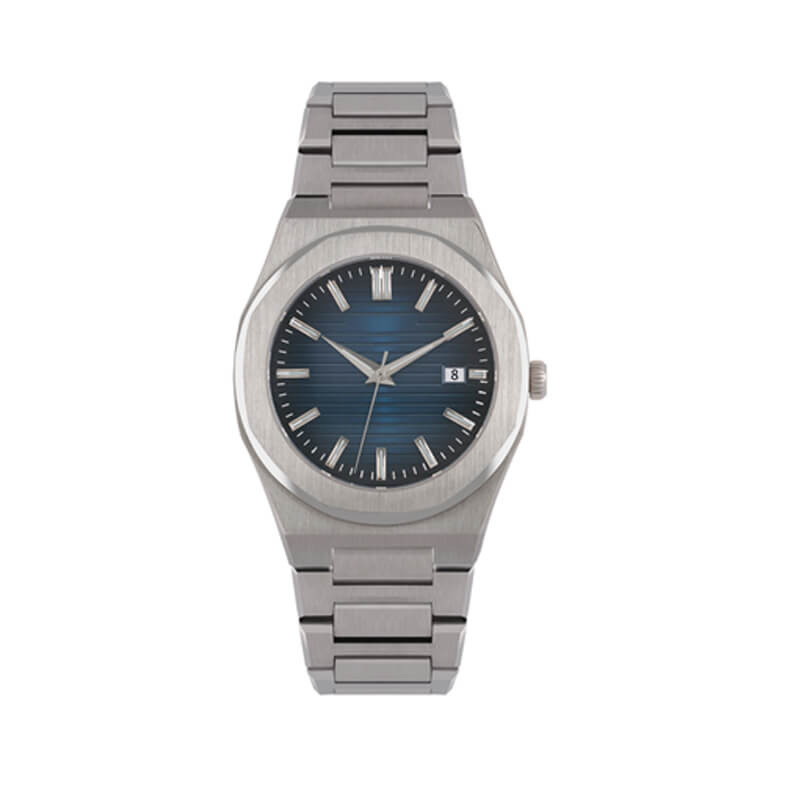
A common misconception is that using a manufacturer’s existing styles means sacrificing uniqueness. In practice, established collections function as valuable references and starting points. Shijin’s minimalist watch range, for example, demonstrates how thin cases, simple dials, and restrained color palettes can still feel distinctive through careful proportion and material choice. Designers can study these pieces for proven case constructions or strap integrations, then overlay their own design language.
Similarly, the vintage watch collections offer classic case shapes, embossed or multi-layer dials, and luminous treatments that evoke earlier eras. A designer pursuing a custom vintage watch can reference these as technical benchmarks—learning how a square case is engineered for comfort or how a particular index style is printed for clarity—while introducing original elements such as unique colorways, modified hands, or custom engraving.
This approach accelerates development. Rather than reinventing every component from scratch, designers selectively adapt proven engineering solutions and focus their limited budget on the differentiating details. The outcome is a self design watch that feels entirely their own, supported by the reliability of a seasoned vintage watch manufacturers.
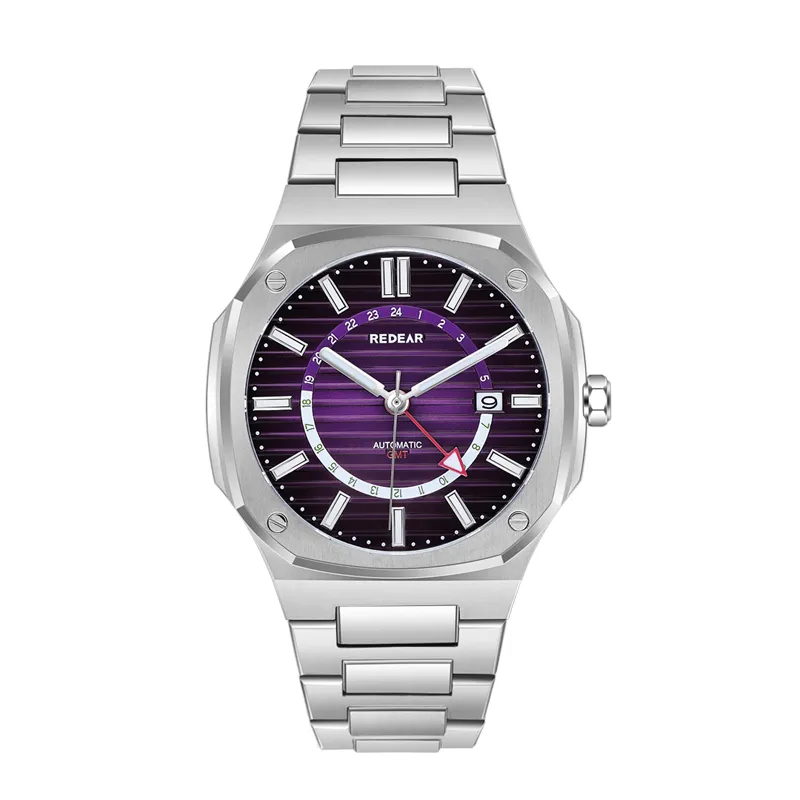
Working this way delivers several concrete benefits. Development costs remain controlled because designers only invest in the prototypes and small batches they actually need. Creative ownership stays with the studio; Shijin provides engineering and manufacturing support rather than dictating aesthetics. Lead times are manageable, allowing designers to respond to seasonal opportunities or limited-edition drops. And because the same partner can later scale production if demand grows, there is a clear path from first sample to broader availability—whether through direct sales, boutique retail, or even wholesale vintage watches channels if the designer later expands.
For those interested in specific niches—38mm minimalist watch proportions or high quality minimalist watches with elevated materials—the collaborative process accommodates these requirements without forcing the designer into rigid templates.
Independent designers and small studios do not need to master every aspect of watchmaking themselves. They need a partner who respects the primacy of the original idea, supplies the technical translation, and enables careful experimentation and validation. Shijin’s custom watch design services, combined with its ranges of minimalist watch and vintage-inspired pieces, create a practical framework for turning sketches and 3D models into finished watches.
The process is straightforward: share the concept, review the visualized drawings and CAD files, experiment with materials, approve prototypes, and move into small-batch production. Throughout, the designer retains authorship while gaining the engineering and manufacturing support required to bring a self design watch to life.
For any independent creator ready to move from concept to wearable reality, the next step is simply to open a conversation with a manufacturer that treats design collaboration as seriously as production itself—whether the goal is a refined minimalist watch, a distinctive custom vintage watch, or something that bridges both worlds.