Recommended Shijin Watch Products
The most popluar shijin products


Walk into most multi-brand retailers these days and the watch display starts to feel familiar. The same clean dials, the same leather straps, the same safe colorways appear from one city to the next. For regional retail chains and independent boutique buyers, this sameness has become a quiet problem. Customers notice. They scroll past online, they try the piece on, then they leave because they sense they could find something almost identical a few blocks away.
What these buyers actually need is not another generic assortment. They need watches that feel like they belong specifically to their store—pieces that match the lighting, the clothing racks, the local customer’s unspoken preferences. The difficulty is doing this without locking up capital in large minimum orders or waiting months for a completely new design.
A practical middle path has emerged among more experienced buyers: light customization of existing, proven models combined with small-batch production. Instead of inventing everything from zero, they start with solid foundations and make carefully chosen adjustments that turn ordinary stock into “only available here” pieces. Working with a capable partner that also functions as a reliable minimalist watch company makes this process more accessible than many expect.
Boutique and regional buyers already understand their space better than any manufacturer. A store with soft natural light and linen clothing tends to favor quieter, cleaner aesthetics. A location near offices or hotels may lean toward more formal proportions and practical functions. Coastal shops often prefer lighter materials and open dials. The challenge is translating that instinct into actual product without overcomplicating the process.
Many buyers begin by reviewing established style ranges that already sit close to their desired direction. Clean, restrained pieces from the minimalist watch category often serve as a reliable starting point. A slight change in dial tone, a different strap texture, or a discreet case-back detail can transform a standard model into something that feels native to the store. When done well, these become high quality minimalist watches that customers associate with that particular address rather than a global catalog.
Vintage-inspired models offer another useful base. Classic case shapes and layered dials carry a sense of story that many boutiques want to own. Through modest modifications—an exclusive color combination, a unique luminous treatment, or store-specific packaging—a buyer can develop a custom vintage watch series that appears nowhere else. Working with experienced custom watch manufacturers China means the technical side is already stable, so the buyer’s energy stays on the aesthetic decisions that matter to their customers. Flexible access to vintage watches wholesale quantities further reduces the pressure of overstocking while still allowing true exclusivity.
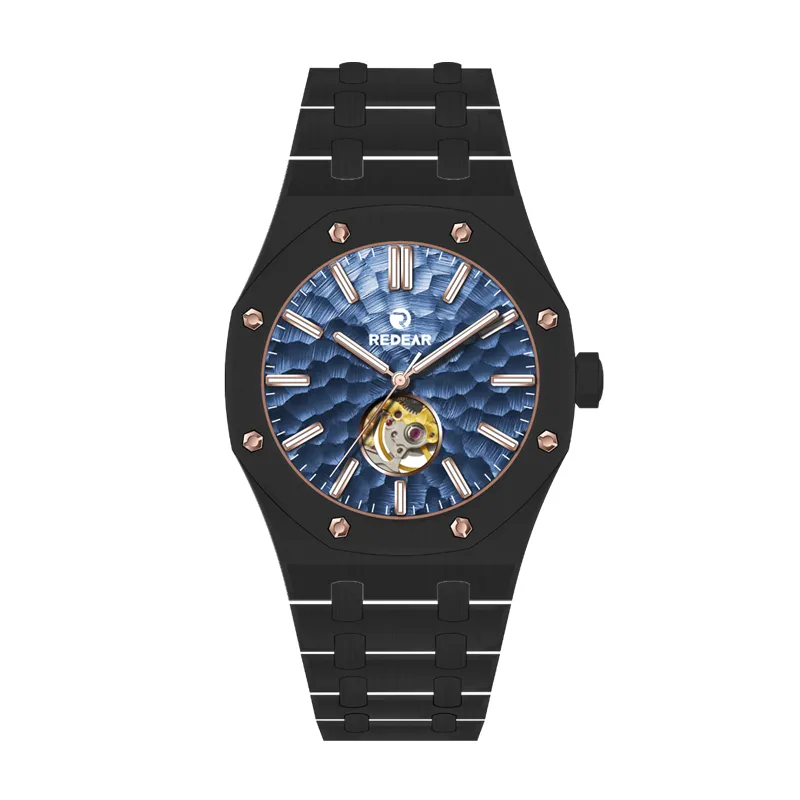
Business-oriented pieces follow a similar logic. Business class watches already carry the clarity and proportion that professional environments require. A few targeted adjustments—strap material, finish, or subtle branding—can turn them into exclusive business casual watches that feel curated rather than mass-distributed. Customers who shop in those locations often respond to the sense that the piece was chosen for them, not simply ordered from a shared supplier list.
For stores that want a higher register, luxury foundations provide room to create custom luxury watch exclusives. Access to luxury watch wholesale channels allows buyers to introduce elevated pieces without the cost structure of a full luxury development project. These higher-end exclusives can sit alongside quieter models and still feel coherent when the customization remains thoughtful.
The process is less dramatic than it sounds. A buyer selects models that already sit close to the desired look, then lists the specific changes that would make those models feel exclusive: a particular dial shade, an alternative strap, a small engraving, a unique packaging detail. An experienced manufacturing partner reviews the list for feasibility and cost impact. Because the underlying tools and processes already exist, the adjustments usually remain within efficient production parameters.
Small-batch OEM production then becomes the practical vehicle. Quantities can stay modest—enough for one or a few stores—while quality standards remain consistent with larger runs. When a particular exclusive begins to move, reordering is straightforward. When local preferences shift, the next batch can incorporate those insights without discarding the entire collection. Partners that also operate as a solid vintage watch company tend to handle these iterative adjustments more smoothly.
In an environment where online platforms and large chains compete on breadth, physical stores still hold one advantage: the ability to make a selection feel personal and place-specific. Watches that only exist inside a particular door reinforce that advantage. They give staff something genuine to talk about. They give regular customers a reason to return. They reduce the quiet comparison shopping that happens when every display looks interchangeable.
The most successful buyers treat exclusivity as a tool rather than a statement. They do not need every piece to be revolutionary. They need a core of pieces that simply do not appear elsewhere, adapted carefully enough to feel coherent with the rest of the store. Light customization of proven models, supported by flexible small-batch OEM capacity, offers a realistic way to achieve that without overextending resources. Even simplistic watches can become distinctive when the finishing details are reserved for one retailer’s doors.
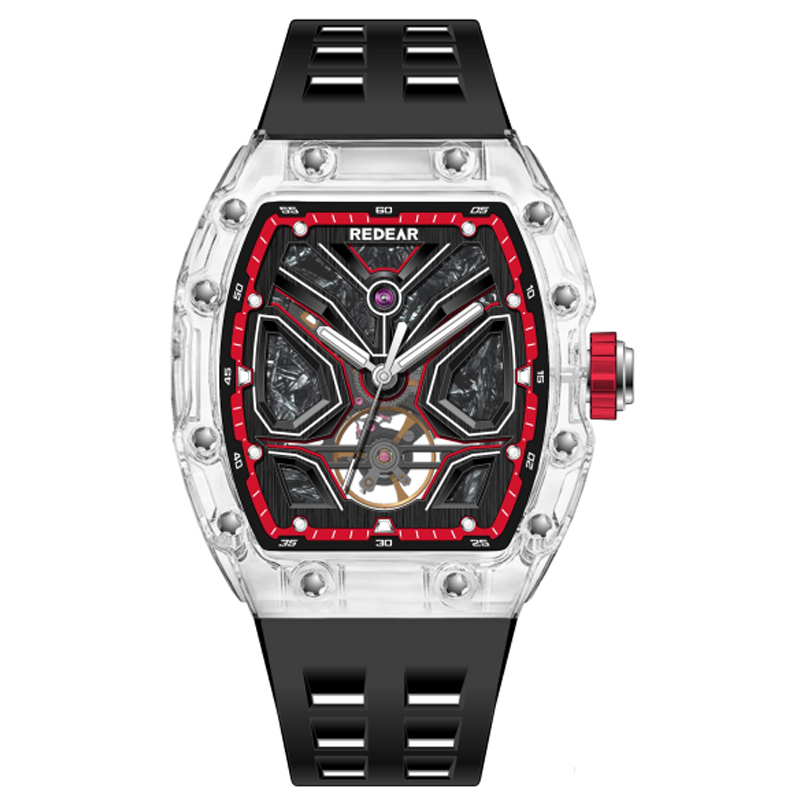
The stores that feel most distinctive rarely announce their exclusivity loudly. They simply present pieces that belong there and nowhere else. Customers notice the coherence even if they cannot articulate it. Over time, that quiet coherence becomes part of the store’s reputation.
Buyers who have moved in this direction usually describe the shift in practical terms: fewer slow-moving generic units, clearer conversations with customers, and a collection that feels more intentional. The manufacturing partner remains in the background, providing the technical reliability and production flexibility that make the exclusives possible. Whether drawing from wholesale watches China foundations or refined business models, the visible result belongs to the store.
In a market where sameness is easy and differentiation is increasingly valuable, the ability to create genuine in-store exclusives through measured customization and small-batch production has become one of the more useful tools available to regional and boutique buyers. It does not require reinventing the category. It only requires starting with solid foundations and making the careful adjustments that turn shared models into something that feels, unmistakably, like it belongs to that particular place.