Recommended Shijin Watch Products
The most popluar shijin products


For lifestyle brands built around environmental responsibility, a watch is never just an accessory. It is a tangible expression of values. Customers who choose these brands already care about where materials come from, how much waste is generated, and whether the object they wear carries a credible narrative. They are willing to pay more when that narrative feels authentic. The challenge for the brand is finding a manufacturing partner that can turn those values into actual product without forcing compromises on quality or design.
In recent years, a growing number of such brands have turned to hybrid material approaches—combining reclaimed wood with stainless steel, exploring bio-ceramic elements, and incorporating natural stone or eco-conscious straps. These combinations allow the creation of pieces that feel both modern and grounded, while giving the brand a clear ESG story to tell. Manufacturers with genuine ODM capability make this possible by supporting material experimentation, design adaptation, and medium-volume production that matches the typical order patterns of conscious lifestyle labels.
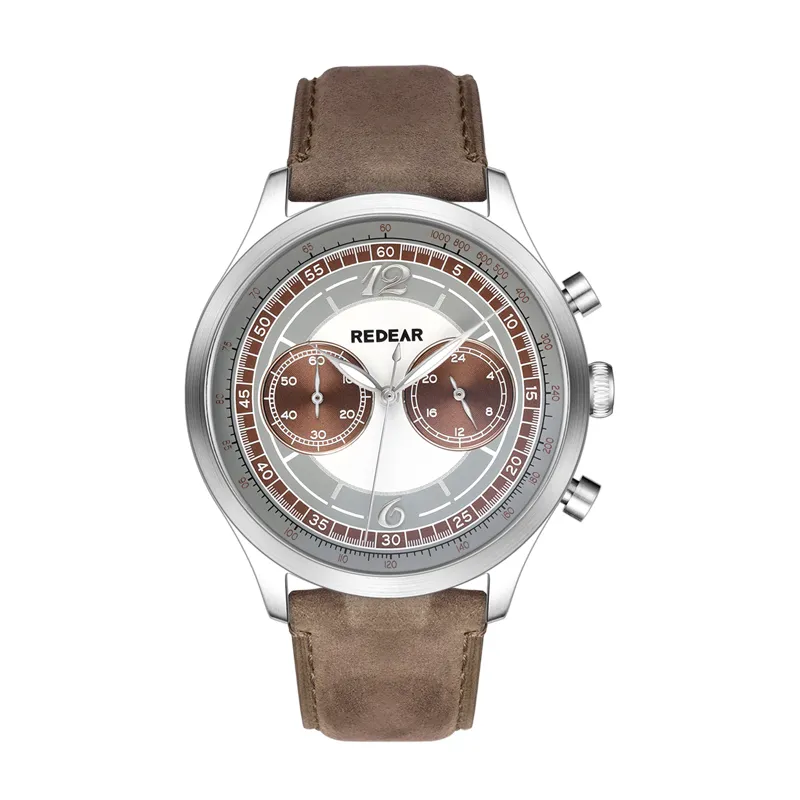
The strongest environmental claims start with the materials themselves. Reclaimed wood, for instance, offers a direct reduction in demand for newly harvested timber. When sourced from furniture offcuts or reclaimed building materials and then stabilized through careful processing, it becomes a durable component rather than a fragile novelty. Paired with stainless steel, the resulting wood and stainless steel watches gain structural reliability while retaining the unique grain patterns that make each piece slightly different.
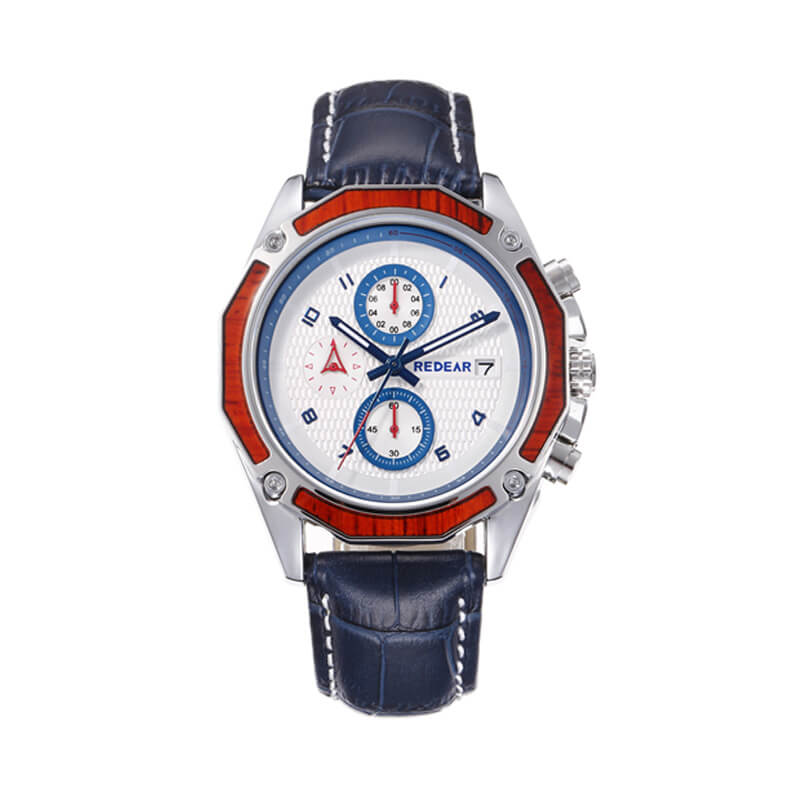
Brands that emphasize this combination often describe the wood element as both aesthetic and ethical. The natural variation in grain becomes part of the storytelling: no two dials or case accents are identical. At the same time, the metal structure ensures water resistance and long-term wearability. This balance is visible in existing models that already combine oak wood with stainless steel cases and solar-powered movements, offering a practical starting point for further ODM development.
While wood-and-steel hybrids form a strong foundation, the broader materials landscape opens additional possibilities. Bio-ceramic components provide a lightweight, durable alternative that can be formulated with lower environmental impact than traditional ceramics. Natural stone accents introduce another layer of uniqueness and provenance. Eco-friendly strap options—recycled nylon, plant-based alternatives, or carefully selected leathers—complete the picture.
A capable custom watch factory can help brands test these combinations without requiring large commitments. Small prototype runs allow evaluation of how a particular wood species sits against brushed steel, how a bio-ceramic bezel interacts with a wooden dial, or whether a specific strap material holds up under daily use. This iterative process is central to ODM support: the manufacturer contributes technical knowledge of material behavior, while the brand retains control over the final aesthetic and narrative.
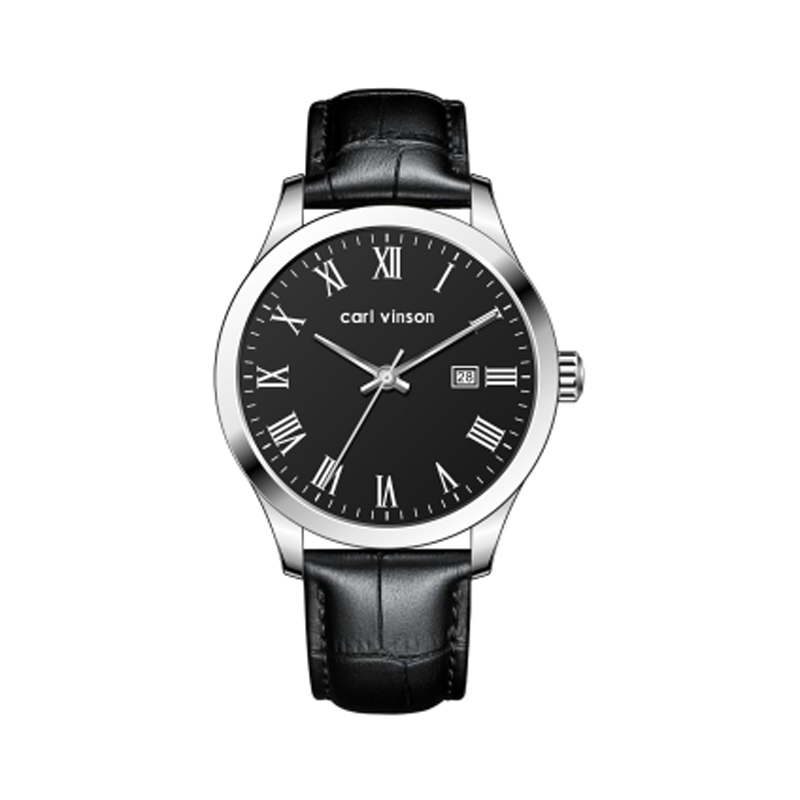
Once the preferred material language is established, the next step is translating it into a sellable line. Many sustainable brands begin with a core of premium wooden and stainless steel watches, then expand into related hybrids. Existing designs that already feature steel-to-wood transitions or sculpted chronograph layouts can serve as efficient bases for ODM adaptation—changing proportions, adjusting finishes, or introducing exclusive colorways that reinforce the brand’s identity.
Medium order volumes suit this approach well. Rather than forcing a large initial commitment, brands can launch with quantities that match their current distribution and then reorder as demand proves itself. Because the underlying production systems already handle these material combinations, lead times remain manageable and quality consistency is maintained. Over time, successful pieces often generate strong repurchase interest, as customers return for additional colorways or complementary models within the same material story.
The difference between a generic “eco-friendly” claim and a credible product line often lies in the depth of collaboration. Brands benefit from partners who understand both the technical requirements of hybrid materials and the storytelling needs of the market. This includes guidance on which woods process reliably, how to stabilize reclaimed material for watch use, and how to combine it with metal components without compromising durability or comfort.
Access to a range of wooden and metal watches, and related hybrids gives brands concrete references. Models that already demonstrate successful integration of oak wood with stainless steel, or that explore carbon fiber and ceramic alongside more natural elements, show what is achievable. From there, ODM support allows refinement—whether that means a custom case treatment, an exclusive dial execution, or packaging that further reinforces the environmental narrative.
For brands evaluating supply options, working with a responsive custom watch manufacturer reduces the risk of material inconsistencies or production delays. The ability to request customized watch bulk purchase quantities that match actual sell-through further supports responsible inventory practices.
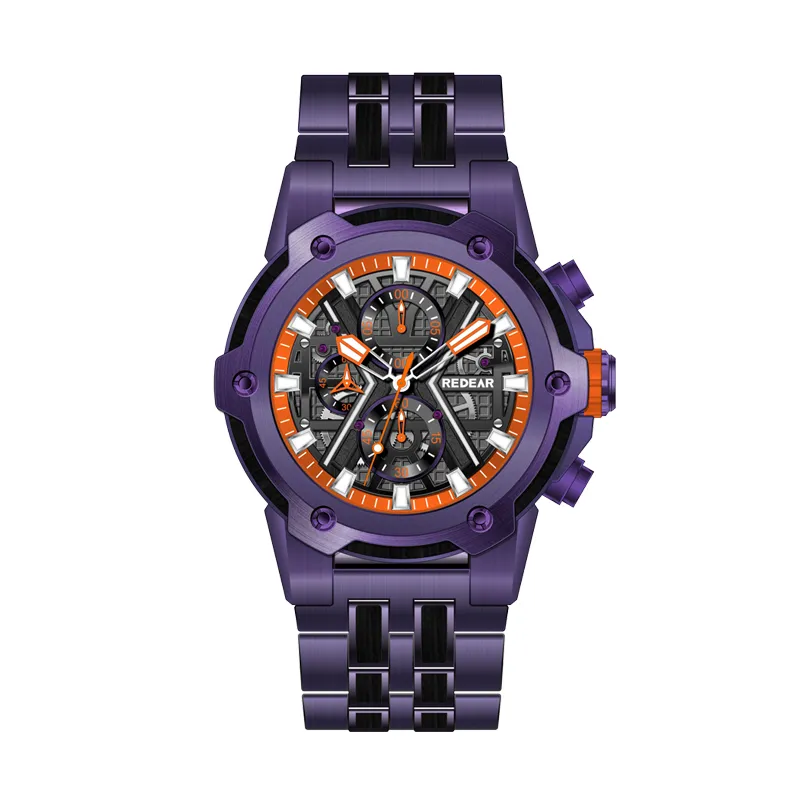
Customers who seek sustainable products rarely buy on specification alone. They buy the story the object allows them to tell about themselves. A watch that visibly incorporates reclaimed wood, that pairs natural texture with precise metalwork, and that arrives with transparent information about its materials gives the wearer something concrete to share. That emotional layer often translates into higher perceived value and stronger brand loyalty.
Manufacturers that treat materials as more than decorative options help brands protect that layer. By supporting careful sourcing, thoughtful processing, and consistent execution, they enable the brand to stand behind its claims. The resulting pieces—whether handcrafted stainless steel wooden watches, or broader hybrid designs—carry both functional reliability and narrative weight.
Sustainable lifestyle brands do not need to invent an entirely new category of watchmaking. They need access to material combinations that already work, combined with the design flexibility to make those combinations their own. Reclaimed wood paired with stainless steel, bio-ceramic elements, natural stone details, and considered strap choices provide a practical palette. ODM collaboration then turns that palette into a coherent collection that matches the brand’s values and its customers’expectations.
The process remains grounded: select proven hybrid foundations, refine them through targeted design support, produce in volumes that reflect real demand, and communicate the material story with honesty. When executed well, the watches become more than accessories. They become quiet proof that thoughtful design and environmental responsibility can coexist on the wrist.