Recommended Shijin Watch Products
The most popluar shijin products


There is something quietly powerful about a well-designed watch.
It sits on the wrist, often unnoticed at first glance, yet it carries meaning far beyond its size. A watch is not just a tool for measuring time—it is a reflection of taste, a symbol of identity, and increasingly, a carefully constructed narrative. In 2026, this narrative has become more important than ever.
The modern watch industry is no longer defined by tradition alone. While heritage brands still hold their place, a new generation of creators is reshaping the landscape. Independent watch brands, design studios, and private label businesses are entering the market with fresh perspectives, driven by creativity and supported by advanced manufacturing ecosystems.
At the center of this transformation lies a simple but profound idea: design is no longer separate from production. It is part of a continuous process that begins with inspiration and ends with a product that people can wear, experience, and connect with.
For brands navigating this new reality, integrated solutions such as Shijin Watch Design Services have become essential. As one of China’s most experienced custom watch designers and manufacturers with 28 years of expertise, Shijin offers not only creative support but also the technical foundation needed to turn ideas into tangible, scalable products.
This article explores the evolving world of watch design through a broader lens—one that blends aesthetics, materials, cultural shifts, and manufacturing realities. It is not simply a list of trends, but a reflection on how design is shaping the future of watchmaking.
A watch is one of the few objects people wear every day that combines function with emotion so seamlessly.
Unlike digital devices, which are frequently replaced, a watch often stays with its owner for years. It becomes part of daily routines, part of personal style, and sometimes even part of memory. Because of this, design in watchmaking carries a unique responsibility.
In recent years, consumers have begun to look beyond specifications. They are less concerned with what a watch does and more interested in what it represents. This shift has transformed the way watches are designed.
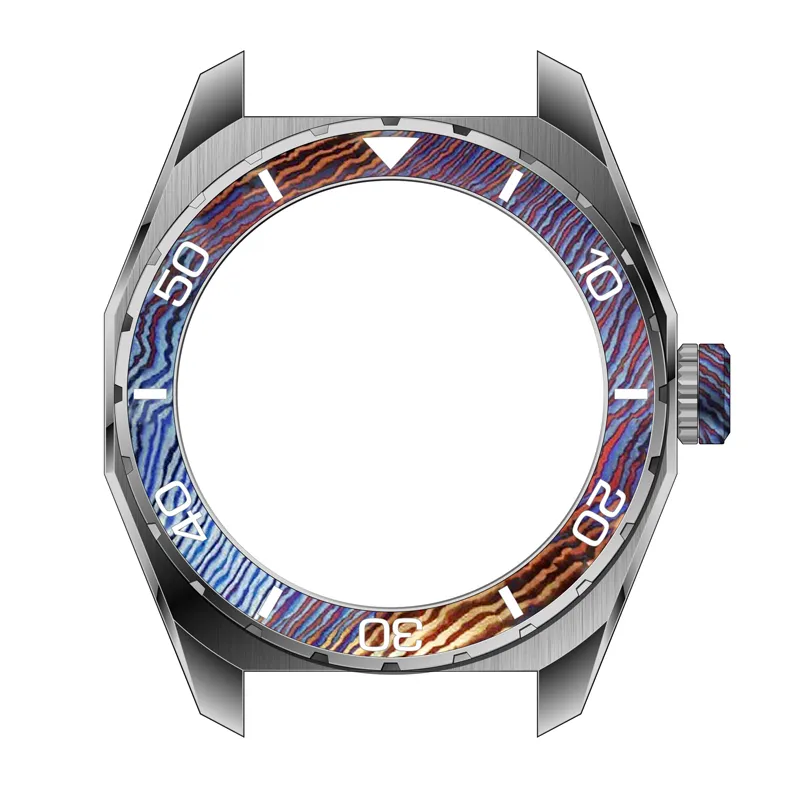
A dial is no longer just a surface for displaying time. It is a canvas. A case is not merely a protective shell, but a sculptural element. Even the choice of materials—steel, ceramic, titanium, or something more experimental—contributes to a broader narrative.
For brands, this means that every design decision must be intentional. It must align with a story, a target audience, and a long-term vision. And crucially, it must be something that can be brought to life in a real, manufacturable form.
Among the many stylistic directions that have emerged in recent years, few are as visually compelling as the movement toward transparency.
Skeleton watches, once considered niche or highly specialized, have entered the mainstream as a symbol of both craftsmanship and confidence. By exposing the inner workings of the watch, these designs invite the wearer to engage with the mechanics themselves. Gears, bridges, and balance wheels become part of the visual experience.
There is a certain honesty in this approach. Nothing is hidden. The complexity of the movement is not concealed beneath a dial, but revealed as the central feature. This creates a sense of depth and dynamism that is difficult to replicate with more traditional designs.
At the same time, skeletonization introduces challenges. Removing material from the dial and movement affects both structure and balance. It requires precision engineering, careful planning, and a deep understanding of how design interacts with mechanics.
This is where the integration of design and manufacturing becomes essential. Shijin’s experienced team helps brands refine these complex ideas through professional watch design services, turning striking concepts into stable, production-ready timepieces.
If form defines a watch’s visual identity, materials define its character. The choice of material shapes how a watch feels, performs over time, and is ultimately perceived by the wearer. In recent years, material innovation has become a key driver of modern watch design.
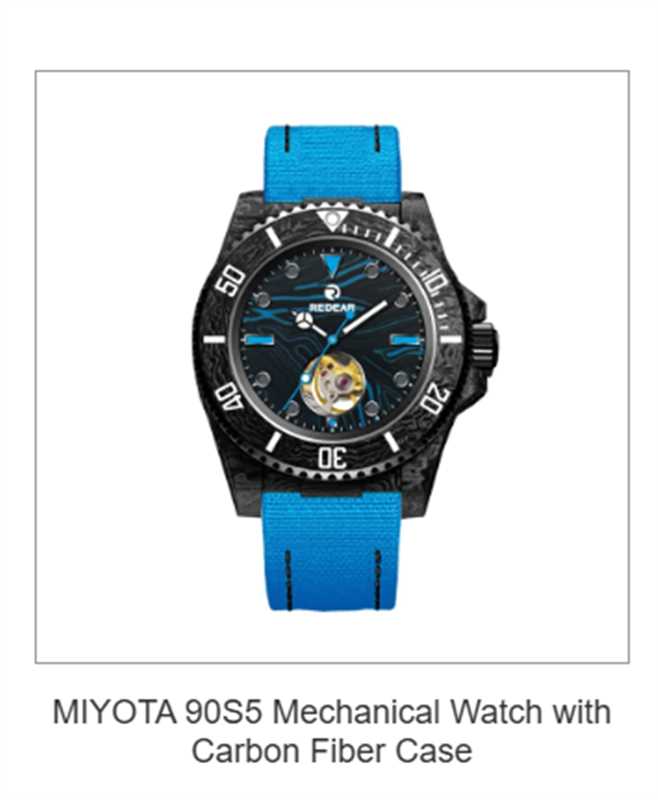
Stainless steel remains widely used for its durability and versatility, but it is no longer the only standard. Titanium offers a lighter, more comfortable experience, while ceramic brings a refined, smooth finish. Carbon fiber, with its technical aesthetic, adds a sense of performance and modernity.
At the same time, Shijin actively incorporates eco-friendly materials such as recycled wood, natural stone, and bio-ceramic in its latest designs, reflecting a strong commitment to sustainability and responsible innovation while maintaining premium quality and performance.
For designers, this makes material selection a creative decision as well as a technical one. Successfully working with diverse materials requires both imagination and expertise—making collaboration with experienced partners essential in modern watch design.
While some trends lean toward complexity and visual impact, others move in the opposite direction. Minimalist watch design continues to hold a strong position, appealing to those who value clarity, balance, and restraint. There is a quiet confidence in simplicity. A clean dial, refined typography, and a well-proportioned case can create an impression that feels both modern and timeless.
Minimalism is not about removing elements at random, but about refining them with intention. Every detail must justify its presence. The spacing of indices, the thickness of hands, and the finishing of the case all work together to create a sense of harmony. In a world that often feels visually cluttered, minimalist watches offer calm and focus. They do not demand attention, yet they leave a lasting impression.
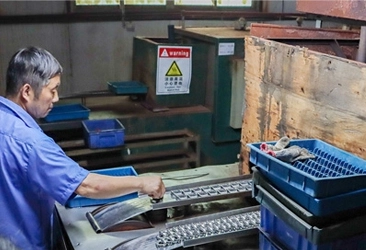
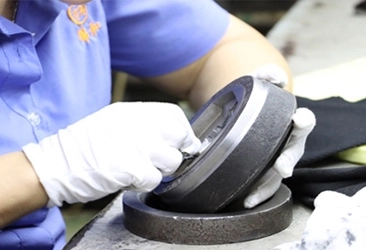
For brands pursuing minimalism, flawless execution is critical. Shijin’s rigorous quality control—conducted at every assembly step—combined with advanced automated equipment in a 100,000-degree dust-free workshop, ensures that even the simplest designs achieve exceptional precision and harmony.
In contrast, there is a growing appetite for watches that make a statement. These designs embrace complexity, color, and unconventional forms, often featuring layered dials, distinctive case shapes, and innovative material combinations.
This shift reflects a broader desire for individuality. Consumers increasingly seek products that express personality and stand apart from the mainstream. A watch becomes more than an accessory—it becomes a declaration.
Bold designs are especially effective for emerging brands, as they create immediate visual impact. However, they require careful balance. Too much complexity can overwhelm, while a lack of cohesion can weaken the design. Achieving the right balance involves continuous refinement, supported by prototyping and advanced design tools, ensuring the final product is both distinctive and harmonious.
Shijin has created hundreds of unique watch models — from simple three-hand square-case designs to sophisticated chronographs with round cases — giving brands the creative freedom and technical support to develop distinctive, cohesive collections.
Perhaps the most significant shift in the watch industry is the move toward customization.
Standardized products no longer satisfy the expectations of modern consumers. There is a growing desire for watches that feel personal, that reflect individual preferences or brand identities.
Shijin’s customization allows for this level of personalization. From the shape of the case to the texture of the dial, from the choice of movement to the design of the packaging, every element can be tailored.
For brands, this opens up new opportunities. It becomes possible to create collections that are highly specific, that speak directly to a particular audience. At the same time, it increases the complexity of production.
Managing this complexity requires a system that can handle variation without compromising quality. It requires coordination between design, engineering, and manufacturing.
This is where integrated platforms such as Watch Manufacturing Services play a crucial role. They provide the infrastructure needed to support customization at scale, ensuring that each variation meets the same standards of quality and consistency.
Behind every finished watch lies a process that is both technical and creative.
It begins with an idea. Sometimes this idea is fully formed, with detailed sketches and specifications. More often, it starts as something less defined—a concept, a mood, a direction.
This idea is then translated into visual form by Shijin Watch. Designers create drawings that capture the essence of the concept, exploring different possibilities and refining the direction.
From there, the design moves into a more technical phase. CAD models are developed, defining the precise dimensions and relationships between components. These models serve as the blueprint for production.
Prototyping follows, bringing the design into the physical world. This stage is critical. It allows for evaluation, for testing, for adjustment. It is where theory meets reality.
Only after this process is complete does production begin. And even then, the work continues. Quality control ensures that each piece meets the required standards. Packaging and presentation are developed to complement the product.
This entire journey—from idea to finished watch—is complex, but it is also what makes watchmaking so compelling.
One of the most important lessons of modern watchmaking is that design and manufacturing cannot be separated.
A beautiful design that cannot be produced efficiently is not viable. A well-made watch that lacks design appeal will struggle to find an audience. Success lies in the integration of both.
Companies like Shijin Watch represent this integrated approach. By combining design expertise with manufacturing capability, they enable brands to move more smoothly from concept to product.
This integration offers several advantages. It reduces the time required to develop new products. It improves communication between teams. And it allows for more effective problem-solving.
For brands, this means fewer obstacles and greater flexibility. Ideas can be explored more freely, knowing that there is a system in place to support their realization.
Innovation does not exist in isolation. It builds on experience.
A deep understanding of materials, processes, and market dynamics allows designers and manufacturers to push boundaries while maintaining stability. It enables them to anticipate challenges and find solutions before problems arise.
This experience is reflected in the ability to work with diverse clients, from emerging brands to established companies. Each project brings new requirements, new constraints, and new opportunities.
Over time, this accumulation of knowledge becomes a valuable resource. It informs design decisions, guides production processes, and ultimately contributes to better products.
Shijin’s 28 years of expertise, continuous innovation, and commitment to quality allow brands to push creative boundaries while ensuring reliable, high-standard results.
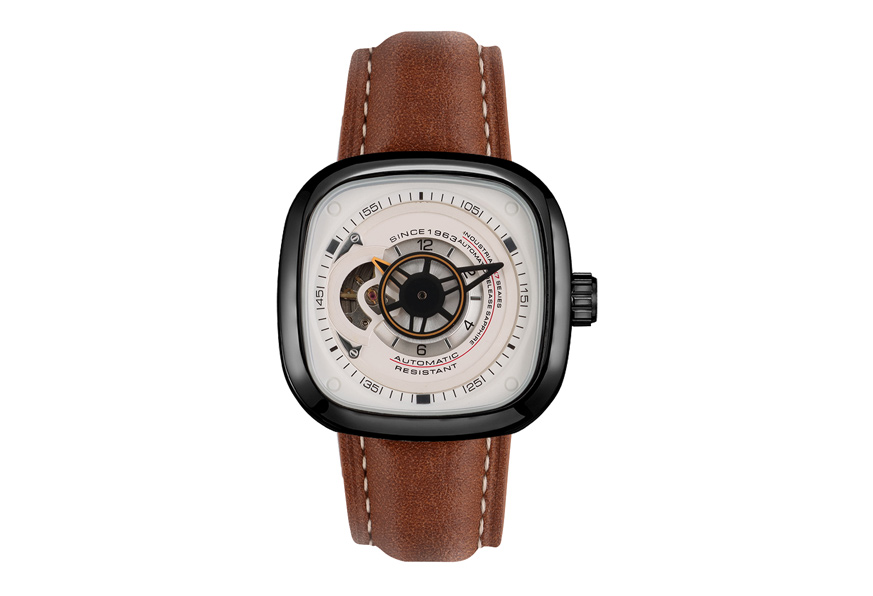
As we move further into 2026 and beyond, several themes are likely to shape the future of watch design.
There will be a continued emphasis on individuality, with brands seeking new ways to differentiate themselves. Material innovation will expand, driven by both technological advances and environmental considerations. The integration of design and manufacturing will become even more important, as the pace of development accelerates.
At the same time, the fundamental appeal of watches will remain unchanged. They will continue to represent more than time. They will carry meaning, memory, and identity.
Design is where every watch begins.
It is the spark that sets the process in motion, the idea that evolves into something tangible. But design alone is not enough. It must be supported by a system that can bring it to life.
In today’s watch industry, success belongs to those who understand this balance. Those who can imagine boldly, but also execute precisely. Those who see design not as an isolated act, but as part of a larger journey.
With the right approach—and the right partners—this journey becomes not only possible, but deeply rewarding.
Because in the end, a watch is not just something you wear.
It is something you create, refine, and share with the world— and Shijin helps make that vision a reality.