Recommended Shijin Watch Products
The most popluar shijin products


In today’s global watch industry, the path from idea to finished product has become more complex—and at the same time, more accessible—than ever before.
For decades, watchmaking was closely tied to geography. Brands were often defined by where they were made, and production was typically handled in-house or within tightly controlled regional networks. That model, while still relevant at the highest levels of traditional horology, has gradually given way to something more flexible.
Modern watch brands operate in a far more connected ecosystem. Designers, engineers, and manufacturers collaborate across continents. A concept might begin in Europe, be refined in North America, and ultimately take shape in a specialized production facility in Asia.
Within this system, success depends less on ownership of infrastructure and more on the ability to coordinate expertise.
This is where a strong manufacturing partner makes the difference. Shijin Watch, a professional custom watch factory in Shenzhen with 28 years of experience, specializes in OEM/ODM services for international watch brands and independent design studios. We offer design refinement support when needed, but we do not accept standalone design projects. Once your design is finalized, we take full responsibility for the entire production process — from prototyping to precision assembly and strict quality control.
Understanding how this process works—and how it supports scalability—is key for any brand looking to establish itself in today’s competitive watch market.
The structure of watch production has changed significantly over the past two decades.
Where brands once relied heavily on internal capabilities, they now increasingly turn to specialized partners. This shift has been driven by several factors, including rising production costs, the need for faster development cycles, and the growing complexity of modern watch design.
OEM and ODM partnerships have emerged as a practical solution to these challenges. Instead of building factories, brands can work with manufacturers who already possess the necessary infrastructure, experience, and technical expertise.
This model allows brands to remain agile. They can develop new products without the burden of maintaining large-scale production facilities. They can test ideas, refine their identity, and expand their offerings without overextending resources.
This model keeps brands agile and cost-efficient. They can develop new collections, test ideas in the market, refine their design identity, and scale production without the heavy burden of large-scale facilities.
Shijin Watch,perfectly embodies this modern approach.This integrated model allows brands to stay creative and flexible while ensuring consistent quality, shorter lead times, and reliable scalability — turning concepts into market-ready luxury watches efficiently and profitably.
At the same time, Shijin benefits from working with multiple clients, gaining exposure to a wide range of design approaches and market strategies. This creates a feedback loop in which both sides contribute to innovation.
The result is a more dynamic industry—one in which collaboration replaces isolation, and where efficiency does not come at the expense of creativity.
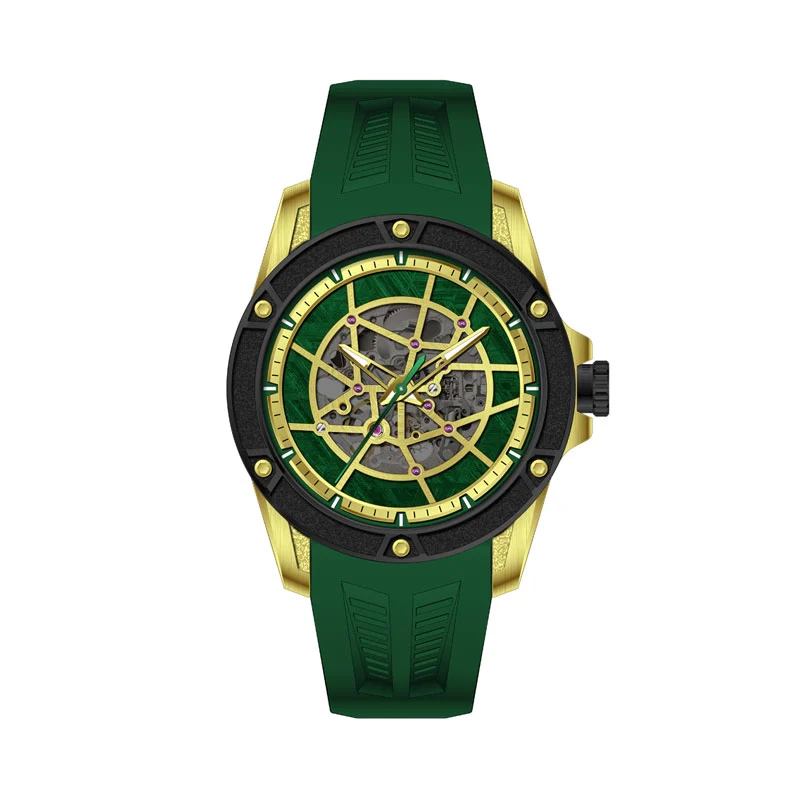
One of the defining characteristics of today's watch industry is its diversity.
Consumers are no longer limited to a narrow range of styles or price points. Instead, they have access to an expansive selection of products, each designed to meet different needs and preferences.
Within a single product ecosystem, it is possible to find:
Simple quartz watches designed for everyday use
Mechanical watches that emphasize craftsmanship
Sport models built for durability
Luxury pieces that showcase advanced materials and design
Exploring collections provides a clear view of how these categories coexist and complement one another.
For brands, this diversity is both an opportunity and a challenge.
On one hand, it allows for flexibility. A brand can position itself in multiple segments, offering products that appeal to different audiences. On the other hand, it requires careful planning. Without a clear strategy, a product lineup can become fragmented and lose its identity.
Successful brands approach this challenge by building cohesive collections. They develop a consistent design language that runs through all their products, while still allowing for variation in features and pricing.
Every watch begins as an idea, but not every idea becomes a product.
The early stages of development are critical. This is where concepts are explored, refined, and evaluated for feasibility. It is also where the foundation of the brand’s identity begins to take shape.
Concept development involves more than sketching designs. It requires an understanding of:
Target audience
Market trends
Functional requirements
Production constraints
A concept that looks appealing on paper must also be practical to manufacture. This is why early collaboration between designers and engineers is so important.
Shijin integrates technical considerations into the creative process, helping brands avoid common pitfalls, and making brands ensure that their designs are not only visually compelling, but also structurally sound and economically viable.
Once a concept has been refined, it must be translated into a detailed design.
This stage involves creating technical drawings, defining specifications, and selecting materials. It is a process that requires precision and attention to detail, as even small inconsistencies can lead to larger issues during production.
Design decisions at this stage affect every aspect of the final product:
The thickness of the case influences wearability
The layout of the dial affects readability
The choice of materials impacts durability and cost
Balancing these factors is not always straightforward. It often involves trade-offs, where improvements in one area must be weighed against limitations in another.
This is where experience becomes invaluable. Shijin having worked on a wide range of projects can provide insights that help guide these decisions, ensuring that the final design is both functional and aesthetically consistent.
Before a watch enters full production, it must go through a prototyping phase.
Prototypes allow designers and engineers to test their ideas in a physical form. They reveal details that may not be apparent in digital models, such as how the watch feels on the wrist or how light interacts with its surfaces.
This stage often involves multiple iterations. Adjustments are made, tested, and refined until the design meets all requirements.
While this process can be time-consuming, it is essential for ensuring quality. It reduces the likelihood of issues arising during mass production and helps create a product that meets both design and performance expectations.
Once the design has been finalized and prototypes approved, production can begin.
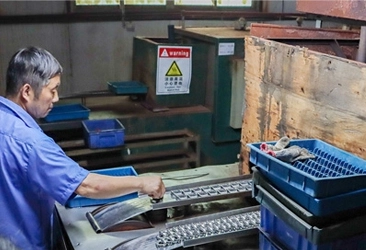
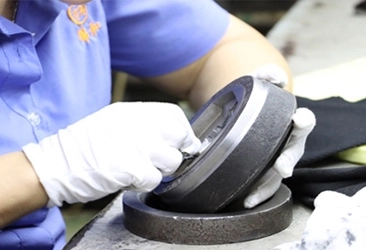
This stage involves multiple carefully controlled processes: precision machining of cases and components, surface finishing, skilled assembly, and rigorous testing. Every step is managed in-house to maintain consistent quality across every piece.
Shijin Watch utilizes advanced CNC machining and automated production lines to execute even the most complex luxury watch designs with high accuracy and efficiency. At the same time, our experienced craftsmen perform critical finishing, hand assembly, and final inspection — combining modern technology with traditional watchmaking expertise.
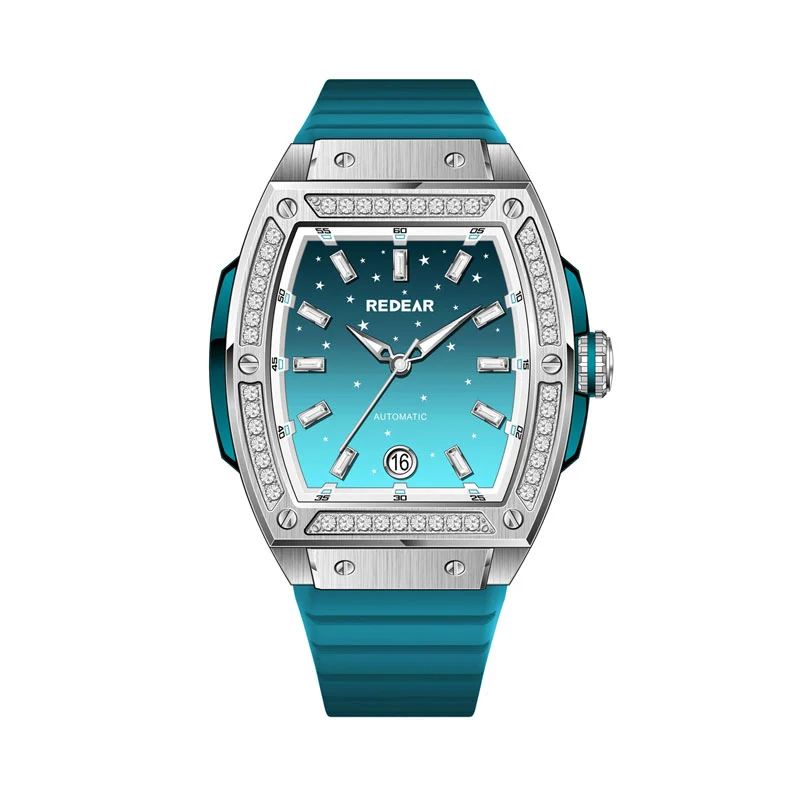
Quality control is one of the most important aspects of watch production.
It ensures that every product meets the required standards for performance, durability, and appearance. Without effective quality control, even well-designed watches can fail to meet expectations.
At Shijin Watch, testing is conducted at multiple stages and includes:
Accuracy checks for timekeeping
Water resistance evaluation
Durability assessments
Visual inspection
These tests are conducted at multiple stages, ensuring that issues are identified and addressed early.
For brands, consistent quality is critical. It builds trust with customers and reinforces the brand’s reputation in the market.
In a competitive market, standing out is essential.
Shijin customization provides a way for brands to create unique products without starting from scratch. By modifying existing designs, they can introduce variations that reflect their identity.
This might include changes in:
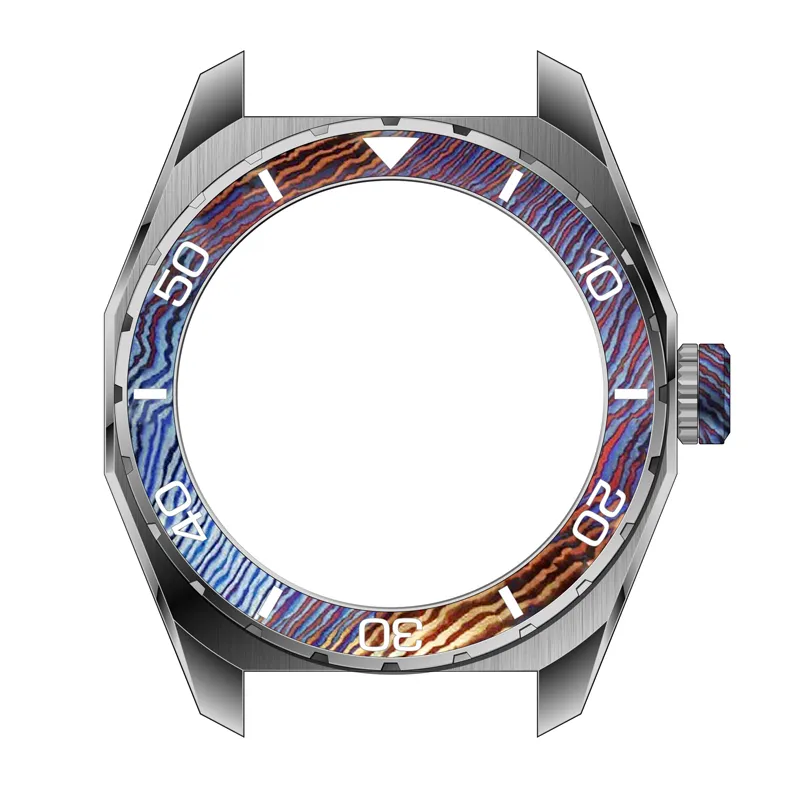
Dial color and texture
Case finishing
Strap materials
Branding elements
Customization allows brands to experiment and evolve. It also enables them to respond quickly to trends, introducing new designs without lengthy development cycles.
Growth presents both opportunities and challenges.
As demand increases, production must scale accordingly. This requires systems that can handle larger volumes while maintaining the same level of quality and consistency.
At the same time, brands must ensure that their identity remains intact. Rapid expansion can sometimes lead to compromises in design or quality, which can weaken brand perception.
By working with an experienced manufacturing partner like Shijin, brands can navigate these challenges more effectively. Shijin’s established processes and rigorous quality control systems provide the stability and consistency needed to support sustainable growth without sacrificing the original brand vision.
Building a successful watch brand is not a one-time effort.
It is an ongoing process that involves continuous development, refinement, and adaptation. Long-term collaboration with manufacturing partners plays a key role in this process.
Over time, these relationships lead to a deeper understanding of the brand's vision, more efficient workflows, smoother communication, and significantly faster development cycles. With Shijin’s experienced team, rigorous quality control, and flexible production capabilities, the overall quality and consistency of the watches continue to improve with each new collection.
For brands, this consistency is invaluable. It provides a foundation upon which they can build and expand.
Experience is one of the most valuable assets in watch production.
It allows manufacturers to anticipate challenges, optimize processes, and deliver consistent results. It also enables them to support a wide range of projects, from simple designs to complex, high-end watches.
To better understand this background, Shijin offers additional insight into the company’s expertise and history.
This level of experience provides reassurance for brands, particularly those entering the market for the first time.
A well-made watch is only part of the equation.
To succeed in the market, it must be supported by a strong brand identity, clear positioning, and effective communication. These elements work together to create a product that resonates with customers.
Shijin combines thoughtful design with reliable production, helping brands tocreate watches that not only meet expectations, but exceed them.
The modern watch industry is defined by collaboration, precision, and adaptability.
Brands that succeed are those that understand how to navigate this landscape—how to combine creativity with execution, and how to transform ideas into products that can scale.
With the right approach and the right manufacturing partner like Shijin, the process becomes not just manageable, but truly strategic. Shijin excels at turning custom designs into reality through its precision engineering, flexible production capabilities, and rigorous quality control, allowing brands to move from concept to finished watch with speed and consistency.
In a market where competition continues to grow, this ability to bring custom designs to life efficiently — backed by Shijin’s expertise and reliable partnership — is what ultimately sets successful brands apart.